Chocolate Dream: A Playful Handwritten Font for Creative Web Design
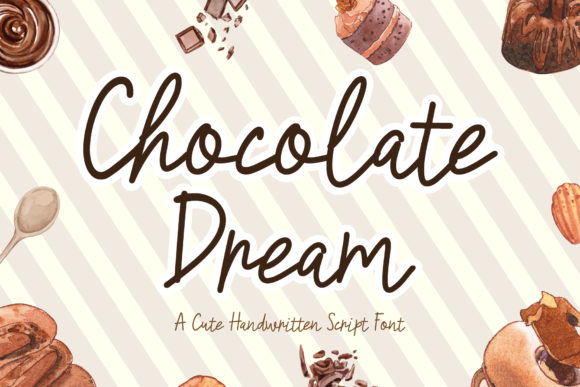
As a web designer, choosing the right font is crucial for creating an engaging and visually appealing website. Chocolate Dream is a delightful handwritten font that brings a unique, playful, and slightly quirky personality to any digital project. Its whimsical style makes it perfect for adding a touch of charm and creativity to your web designs.
Visual Characteristics and Personality
Chocolate Dream features flowing, organic lines with a casual, handwritten feel. The letters are slightly irregular, giving each character a distinct, personal touch. This script font is ideal for creating a warm, friendly, and approachable vibe, making it a great choice for brands that want to connect on a more human level.
Website Headers and Hero Sections
Incorporate Chocolate Dream into your website headers and hero sections to immediately set a welcoming and creative tone. This display font works well for short, impactful titles that grab attention and convey the brand's personality. For example, a creative portfolio or a boutique online store can use Chocolate Dream to make a memorable first impression.
Landing Pages and Call-to-Action Areas
On landing pages, Chocolate Dream can be used for primary call-to-action (CTA) buttons and section headings. Its playful nature can help draw the user's eye and encourage interaction. However, it’s important to balance this with a more readable sans serif font for body text to ensure clarity and ease of reading.
Online Shop Banners and Blog Graphics
For online shop banners and blog graphics, Chocolate Dream adds a touch of elegance and creativity. Use it for short, catchy phrases or product names to create a visually appealing and engaging experience. Pair it with a clean, simple sans serif font for additional text to maintain readability and a professional look.
Readability and Visual Hierarchy
While Chocolate Dream is highly decorative and visually appealing, it’s best used for larger, more prominent text elements. For smaller text or body copy, consider using a more legible sans serif font. This ensures that the content remains easy to read and doesn’t overwhelm the user, especially on mobile screens where space is limited.
Mobile and Responsive Layouts
When designing for mobile and responsive layouts, test Chocolate Dream at various sizes to ensure it remains clear and readable. Use it for key elements like headings and CTAs, but switch to a simpler sans serif font for smaller text and longer paragraphs. This combination helps maintain a consistent and user-friendly design across all devices.
Font Pairing and Brand Identity
To create a balanced and cohesive design, pair Chocolate Dream with a complementary sans serif font for body text and a serif font for a more editorial and sophisticated look. This mix of fonts can help establish a strong and versatile brand identity. For example, a coaching website might use Chocolate Dream for the main heading, a sans serif font for the body text, and a serif font for testimonials or quotes.
Practical Considerations
Before using Chocolate Dream in your projects, check the included styles, file formats, and webfont availability. Ensure that the font supports the necessary language characters and has the required weights and alternates for your design needs. Additionally, verify the commercial licensing terms to ensure you can use the font for websites, client projects, online stores, and other digital assets.
In summary, Chocolate Dream is a charming and versatile handwritten font that can add a unique and creative touch to your web designs. By using it thoughtfully and pairing it with more readable fonts, you can create a visually appealing and effective digital experience that resonates with your audience and enhances your brand identity.