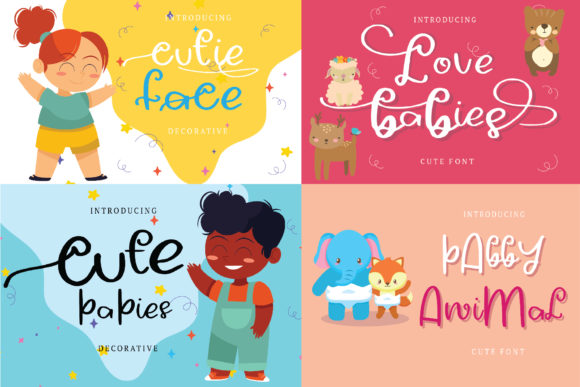
Bring Joy to Your Designs with Cutie Face Font
As a brand designer, there's nothing quite like the thrill of opening a blank brand board and starting a new project. Today, I'm diving into a boutique identity project, and I've decided to test out Cutie Face, a beautiful, bouncy, and whimsical handwritten font that promises to add a touch of joy to my designs.
The First Impressions: A Whimsical Delight
From the moment I opened the font file, Cutie Face stood out with its playful, hand-drawn style. The letters are lively and full of character, making it an ideal choice for projects that need a touch of personality. I started by testing it on a logo concept for a local bakery. The font's bouncy baseline and whimsical curves immediately gave the logo a friendly, approachable feel.
Logo Design: A Perfect Fit for Charming Brands
In the world of logo design, Cutie Face shines as a display font. Its unique, hand-drawn style makes it perfect for brands that want to convey a sense of charm and creativity. For the bakery, I used Cutie Face in the main logotype, and it instantly brought a smile to the face. The font's playful nature also worked well when paired with a simple, clean sans serif font for the tagline, creating a balanced and harmonious look.
Packaging and Product Labels: Adding a Personal Touch
Moving on to packaging design, I created a mockup for a line of artisanal jams. Cutie Face was a natural fit for the product labels, adding a personal, handmade touch. The font's readability at larger sizes made it perfect for the product name, while the smaller details, like the ingredient list, were better suited for a more legible sans serif. The combination of Cutie Face and a clean, modern sans serif created a visually appealing and professional look.
Social Media and Web Design: Engaging Visuals
When it comes to social media and web design, Cutie Face is a standout. I designed an Instagram post for the bakery, using Cutie Face for the main headline. The font's whimsical style caught the eye and added a fun, engaging element to the post. For the website, I used Cutie Face in the hero section, where it welcomed visitors with a warm, inviting message. However, I opted for a more readable sans serif for the body text to ensure clarity and ease of reading.
Practical Considerations: When and How to Use Cutie Face
While Cutie Face is a delightful font, it's important to use it judiciously. It works best as a display or accent font, perfect for headlines, logos, and short phrases. For longer texts or small sizes, a more legible typeface is recommended. Additionally, Cutie Face may not be suitable for formal or corporate branding, where a more traditional and professional look is required.
Before using Cutie Face in any client work, it's crucial to test it thoroughly. Experiment with different sizes, colors, and backgrounds to see how it performs in various contexts. Also, check the font's commercial licensing to ensure it covers your specific use cases, such as brand identity, packaging, templates, merchandise, websites, digital products, or print-on-demand products.
Font Pairing: Complementing Cutie Face
To create a well-rounded and cohesive design, consider pairing Cutie Face with other fonts. A classic serif font can add a touch of elegance, while a modern sans serif can provide a clean, contemporary feel. For a more playful and creative look, you might pair Cutie Face with another script or handwritten font, but be mindful of overusing similar styles, which can make the design feel cluttered.
In conclusion, Cutie Face is a charming and versatile handwritten font that can bring a joyful, whimsical touch to your designs. Whether you're working on a boutique identity, café visual refresh, or creative studio branding, Cutie Face is a premium font that can help your project stand out. Just remember to use it thoughtfully and pair it with complementary typefaces to create a balanced and professional look.